


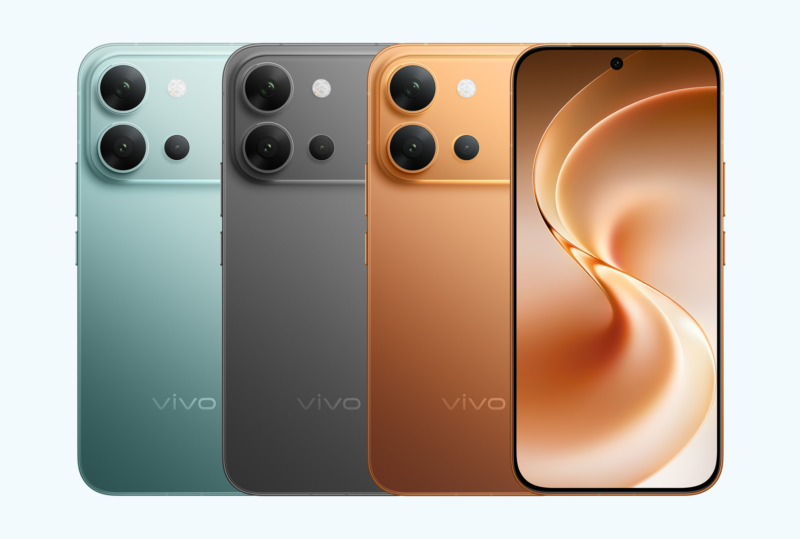
Vivo's V80 is now official worldwide, and the headline numbers are a 7,200mAh battery, a 50MP ZEISS telephoto with 3x optical zoom, and a 100mm portrait mode built to put you center stage. It's rolling out across India, Southeast Asia, the Middle East and other regions, after launching in India at around $654.
It's also the first V-series phone to ship with OriginOS 7. Coming eight months after the Vivo V70, it brings a redesign and a much heavier focus on portraits and video.
What's new with the Vivo V80
The most eye-catching change is Starwish Purple, which Vivo calls an industry-first Laser Holographic Lithography finish. Vivo says it spent two years testing more than 20 materials to etch 3,600 4K images into the back, so the stars shift and change color as you tilt the phone. It sits alongside Wander Green, Sunrise Anthem and Vast Gray.
The main camera is a 50MP ZEISS shooter built around Sony's 1/1.56-inch LYTIA 700V sensor, with an f/1.9 aperture and OIS that Vivo rates at CIPA 4.5. It's paired with an 8MP ultrawide that covers a 110-degree field of view.
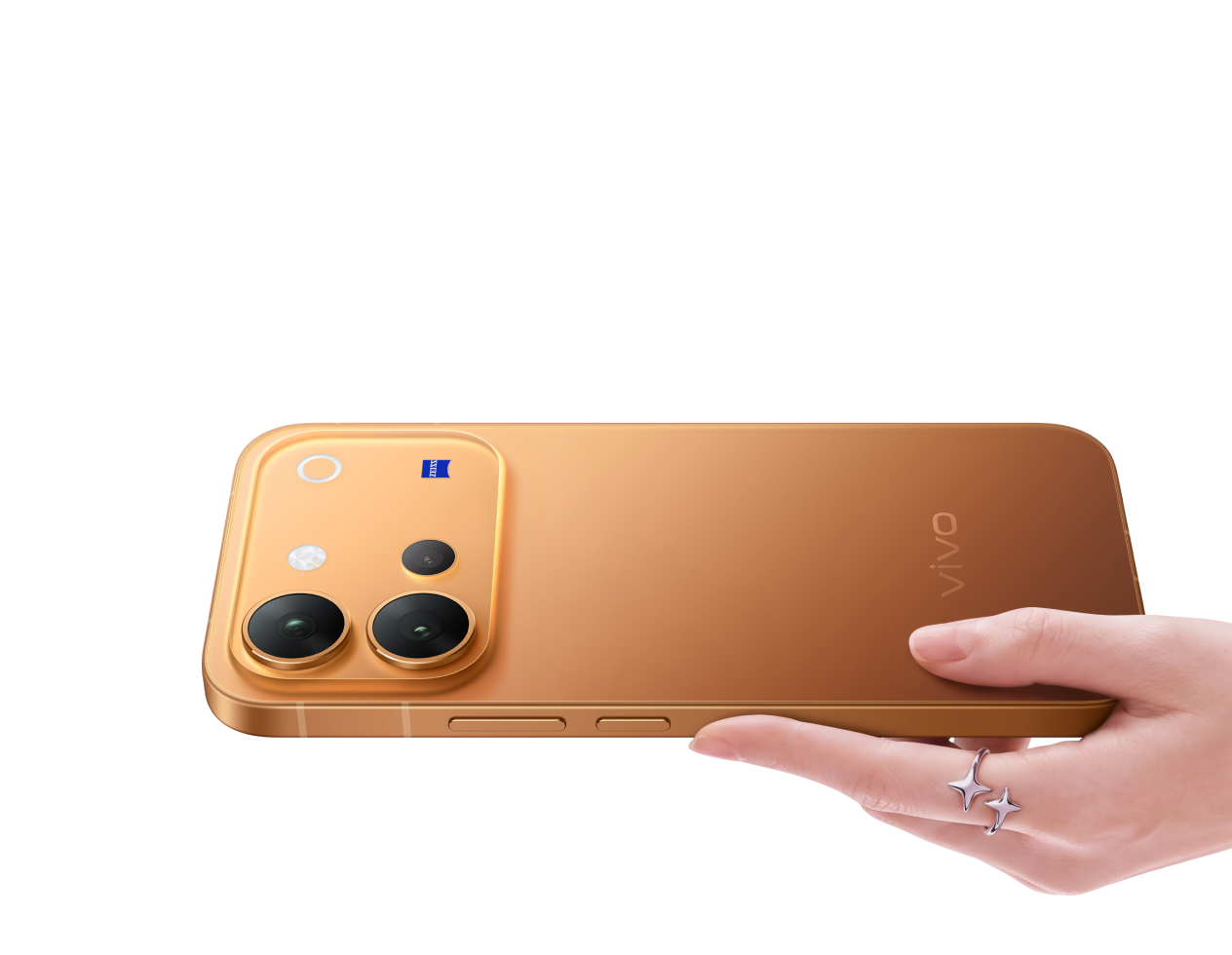
Front and rear cameras both record 4K at 60fps, which helps vlogs as much as walking shots. The telephoto is a 50MP periscope with a 1/1.95-inch Sony IMX882 sensor, an f/2.7 aperture and OIS, sitting at 73mm for 3x optical zoom and stretching to 10x digitally.
Portraits get the most attention. ZEISS 100mm Center-Stage Portrait pairs Planar-style bokeh with a soft platinum tone, and Vivo says the tight framing naturally crops out passersby. The 85mm mode switches to Sonnar-style bokeh for three-quarter-length shots, while CCD Flash Portrait adds a retro flash look for night photos.
The 50MP selfie camera has autofocus and a 92-degree lens for group shots. AI Best Face also lets you swap in a better expression from a Live Photo when someone blinks or looks away.
Why it matters
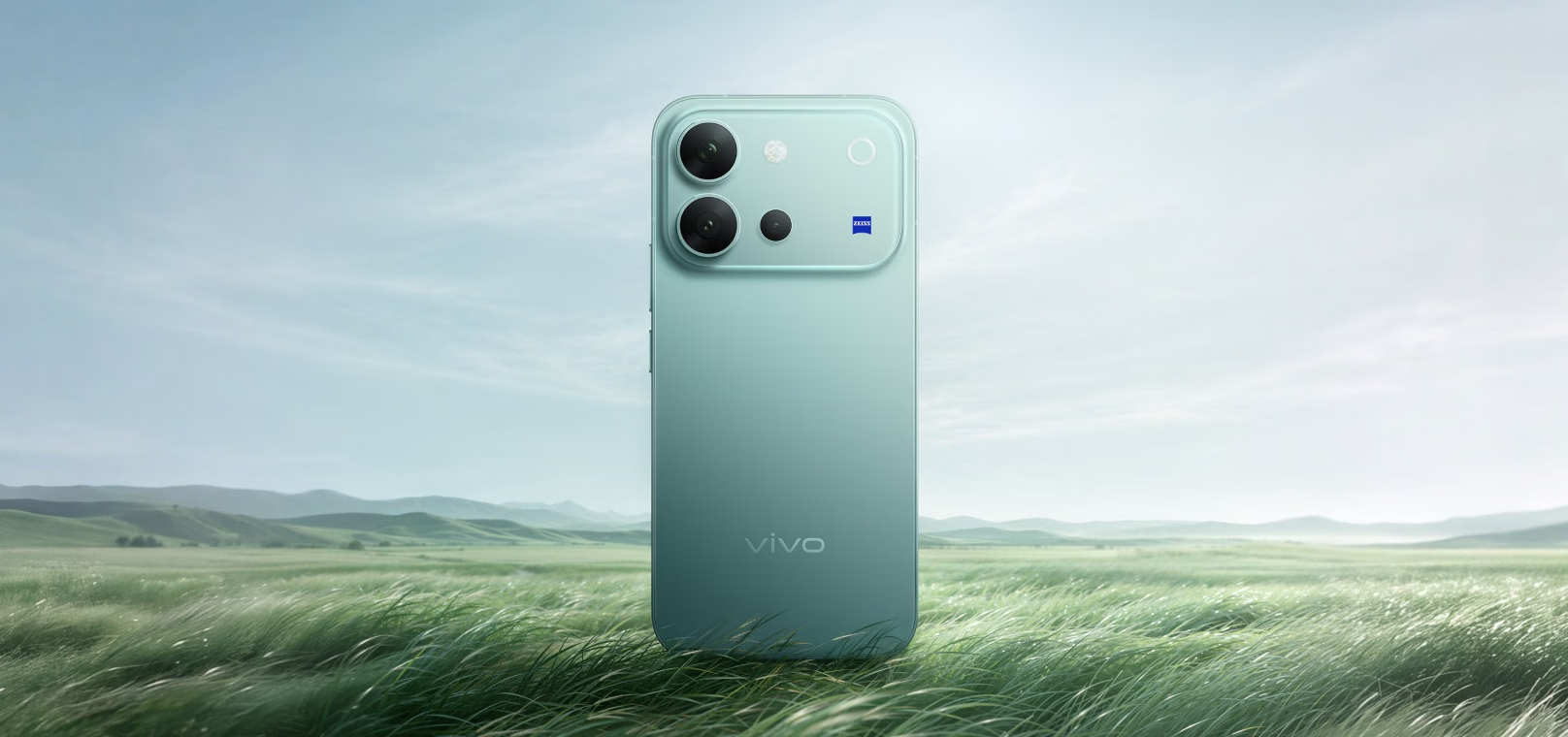
Real telephoto lenses used to be reserved for flagships, and the V-series keeps chipping away at that line. If you shoot concerts, kids at sports day, or architecture on vacation, 3x optical with OIS is the difference between a usable shot and a smeary crop. The 85mm and 100mm portrait options matter for the same reason, since longer focal lengths flatter faces.
Then there's the battery. Vivo has fitted a 7,200mAh BlueVolt cell, using its fourth-gen silicon anode technology, into a body that's 7.6mm thick and weighs 203g. For anyone who records a lot of 4K video, that capacity is arguably the more important spec.
Key details
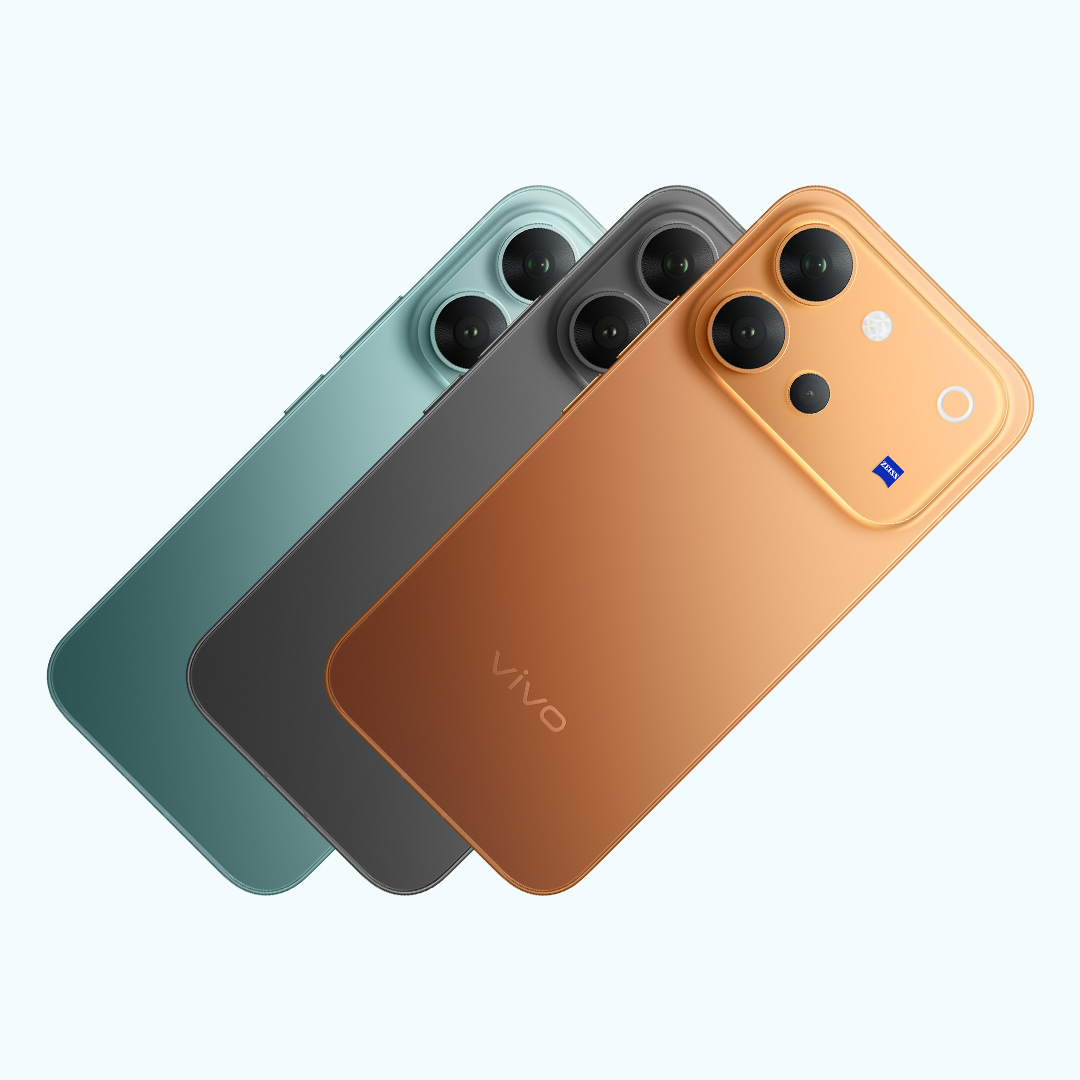
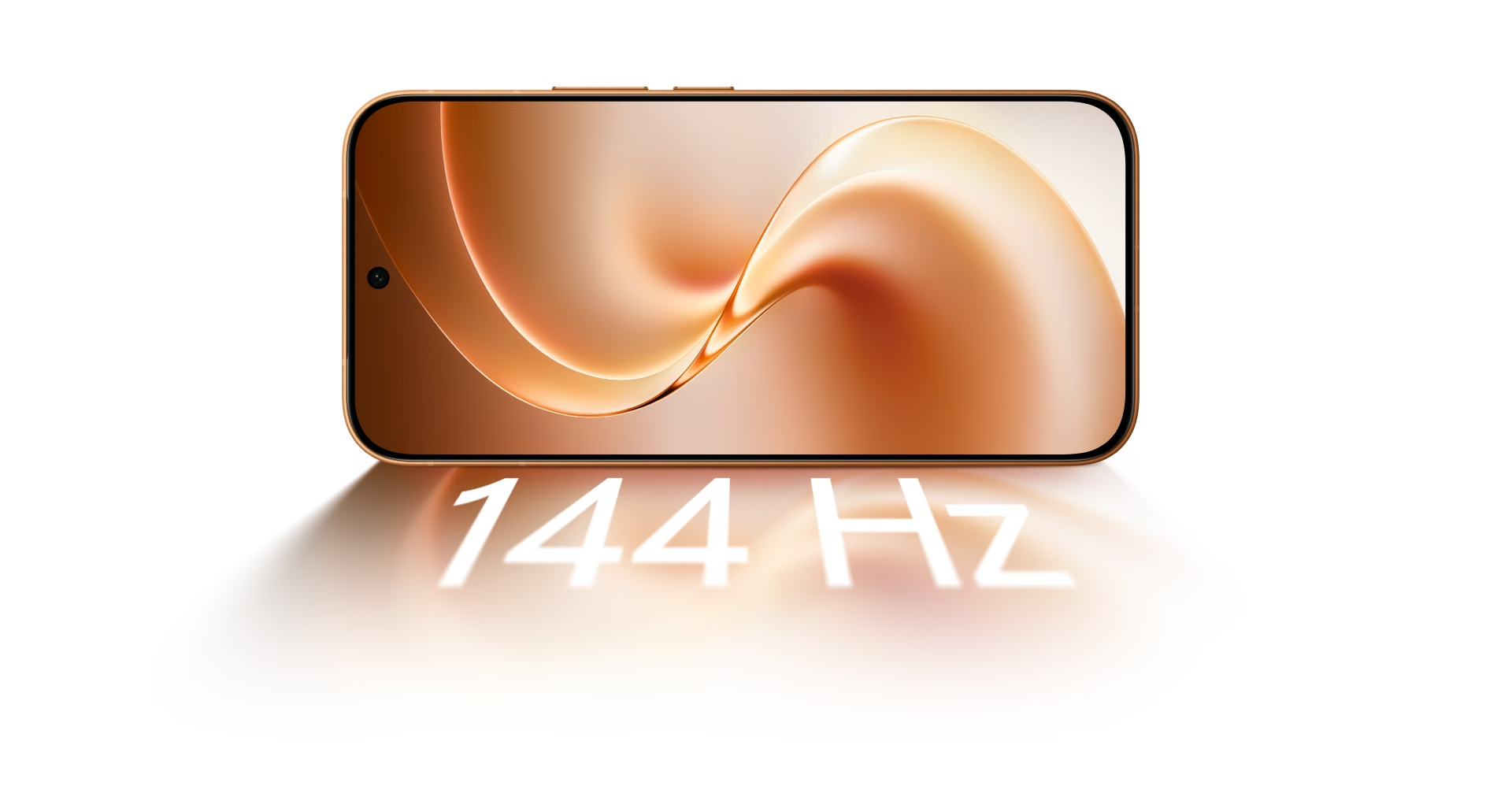
The V80 uses a one-piece cold-carved glass back that wraps around the floating camera module, which Vivo says is stronger than hot-bent glass. The front uses drop-resistant glass co-developed with SCHOTT, and the phone has passed SGS drop and impact testing. The 6.59-inch 1.5K OLED panel runs at up to 144Hz, with 5,000 nits of local peak brightness and a 1-nit minimum.
Inside is the Snapdragon 7 Gen 4 with 8GB of RAM, plus up to 16GB of virtual RAM. Vivo says 90W FlashCharge reaches 50% in 30 minutes, and Multi-Scenario Bypass Charging manages heat during long gaming or streaming sessions on the charger. It also has IP68 and IP69 ratings and dual stereo speakers.
AI Creative Camera adds lighting effects like Glow, Sunlight and Top Lighting, which you can change later in the gallery. AI Retouch covers AI Erase, AI Magic Move and AI Image Expander, while Creative Sticker Collage lifts people or pets from one Live Photo and drops them into another.
The V80 runs OriginOS 7 out of the box, which Vivo says is tuned to stay smooth for 72 months. Highlights include Snap Note, AI Recorder, Apple Watch health and notification sync, Spatial Audio for AirPods, and a Pet Pals virtual companion. Vivo commits to six years of security updates, which cover security patches rather than major Android upgrades.
There's no global pricing yet, but in India it costs:
- 8GB + 128GB: around $654
- 8GB + 256GB: around $727
- 8GB + 512GB: around $830
Takeaway
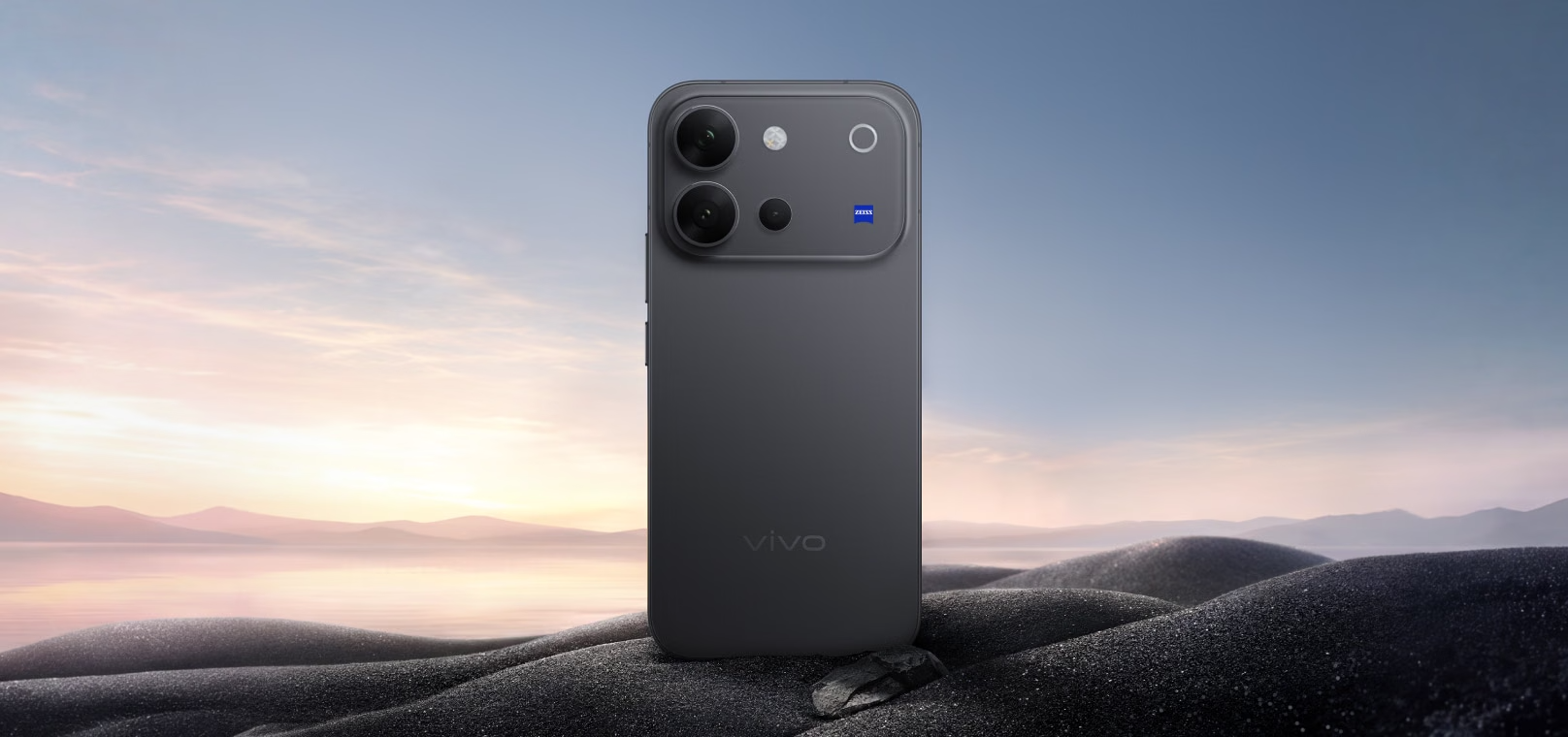
On paper, the V80 is one of the most complete midrange camera phones Vivo has made, with a real periscope telephoto, a huge battery and IP69 toughness in a slim body. The 8MP ultrawide looks like the weak link next to two 50MP cameras, so landscape and architecture fans may want to wait for reviews. Anyone who shoots more video than stills, or wants proper zoom without paying flagship money, should keep an eye on it.
We're still waiting on pricing for markets beyond India, and Vivo hasn't confirmed a US, UK or EU release. It'll be worth seeing how the 100mm portraits and 3x telephoto hold up in real-world use, and we can't wait to put our review unit through its paces.